Introduction
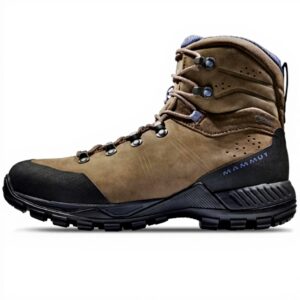
I never thought much about hiking boots until I found myself halfway up a misty trail with damp socks and that sinking feeling of cold moisture seeping through what I’d assumed were weather-resistant shoes. It was during one of those early morning hikes when the dew hadn’t yet lifted from the forest floor, and the previous night’s rain still clung to the undergrowth. That experience stayed with me, creating a newfound appreciation for proper footwear that could handle more than just dry, well-maintained paths. The search for reliable hiking boots became personal, not just about specifications but about trust in equipment when you’re miles from civilization. This journey led me to the Mammut Nova Tour II High GTX women’s hiking boots, and what unfolded was more than just product testing—it became about understanding how the right gear can transform our relationship with nature.
Real-life Context
My hiking routine typically involves weekend trips to local mountains and occasional longer treks during vacation periods. The terrain varies significantly—from well-trodden forest paths to rocky inclines that demand careful footing. Weather conditions in my region can shift unexpectedly, with sunny mornings giving way to afternoon showers that turn trails into muddy challenges. I’d been using various hiking shoes over the years, but none seemed to strike the right balance between protection, comfort, and durability. The constant concern about waterproofing became particularly frustrating during spring hikes when melting snow and frequent rain created consistently wet conditions. I needed boots that could handle moderate to demanding hikes without compromising on breathability during those strenuous uphill sections where feet tend to heat up quickly. The Mammut boots entered my life during a planning phase for a multi-day trek through mixed terrain, where reliable footwear would be non-negotiable.
What drew me to these specific boots was their promised combination of nubuck leather construction and GORE-TEX lining—features that suggested they might finally address the waterproofing issues I’d encountered while maintaining the breathability needed for longer hikes. The available color options of Graphite Baked and Oak Bark appealed to my preference for neutral tones that blend well with natural surroundings without appearing too technical or sporty. Sizing availability was another consideration, as finding proper fitting hiking boots had often been challenging with previous brands. The weight specification suggested they’d be light enough for day hikes while still providing the ankle support necessary for uneven terrain. These practical considerations formed the basis of my decision to try them, though I remained cautiously optimistic given past experiences with footwear that promised more than they delivered.
Observation
The first thing I noticed when I unboxed the boots was the quality of the nubuck leather—it had a substantial feel without being rigid, suggesting it would mold to my feet over time rather than requiring a lengthy break-in period. The stitching appeared robust and evenly spaced, with reinforced areas around the toe box and heel that hinted at attention to durability in high-wear zones. Trying them on revealed a precise fit that hugged my feet securely without creating pressure points, something I’d struggled to find in previous hiking boots that often felt either too loose or uncomfortably tight across the instep. The softshell inner lining provided immediate comfort against my skin, eliminating that initial stiffness common with new leather footwear. The lacing system allowed for micro-adjustments tat distributed tension evenly along the foot, which I appreciated given how often I need to adjust tightness during hikes as feet swell with activity.
My initial test was a familiar local trail that combines packed earth, gravel sections, and a steady incline—conditions I knew well enough to compare against previous footwear experiences. Immediately noticeable was the sole’s grip on loose gravel, where previous boots had sometimes slipped during downhill sections. The cushioning provided noticeable shock absorption on harder surfaces, reducing the jarring impact that often leaves my knees feeling fatigued after longer descents. What surprised me most was how quickly I forgot I was wearing new boots—they integrated seamlessly into my hiking rhythm without demanding constant attention or adjustment. During a stream crossing where water reached nearly to my ankles, the GORE-TEX lining proved its worth by keeping my feet completely dry, a marked contrast to previous experiences where moisture would eventually penetrate through seams or material. The breathability became apparent during strenuous uphill sections when I typically expect increased foot temperature, yet these maintained a consistent comfort level without that clammy feeling that often accompanies waterproof footwear.
Over subsequent hikes across different terrains, certain characteristics became more pronounced. The ankle support provided stability on uneven ground without restricting natural movement, something I particularly valued during rocky sections where precise footing matters. The boots’ performance in wet conditions remained consistently reliable—whether dealing with morning dew-soaked grass, muddy patches after rainfall, or accidental submersions in shallow water crossings. The nubuck leather developed a pleasant patina with use while showing minimal scuffing or wear, suggesting the durability claims were well-founded. I found myself trusting the footwear more with each outing, gradually extending my route choices to include more challenging terrain that I’d previously avoided with less capable boots. The consistent performance across varying conditions—from dry forest paths to damp mountainous trails—demonstrated a versatility that matched my hiking patterns without specialization that would limit their usefulness.
Reflection
It took several weeks of regular use before I fully appreciated how these boots had shifted my approach to hiking. I realized that quality outdoor footwear isn’t about dramatic features or technological claims but about consistent reliability that allows you to focus on the experience rather than your equipment. The GORE-TEX protection, which initially seemed like just another technical specification, became something I actively appreciated during unexpected weather changes when staying dry meant the difference between an enjoyable hike and a miserable trudge back to civilization. I didn’t realize at the time that this would be so important, but having footwear I could trust in variable conditions removed a layer of anxiety from planning hikes, making me more willing to explore trails regardless of forecast uncertainties. The comfort during long descents—where foot fatigue typically becomes most noticeable—proved more valuable than I’d anticipated, often allowing me to continue hiking when I might otherwise have cut a trip short.
The boots’ performance prompted me to reconsider what I actually need from hiking footwear versus what marketing often emphasizes. The balance between waterproof protection and breathability emerged as genuinely important rather than just a specification bullet point—maintaining dry feet while preventing overheating during exertion created a comfort level that enhanced rather than distracted from the hiking experience. The durable construction made me think about longevity and sustainability in outdoor gear, recognizing that well-made equipment that lasts through years of use ultimately serves both the user and the environment better than frequently replaced items. This reflection extended beyond the boots themselves to how we choose equipment for outdoor activities—prioritizing practical performance over aesthetic appeal or brand recognition, selecting gear that integrates seamlessly into our activities rather than demanding adaptation to its limitations.
What surprised me most was how these relatively subtle improvements in footwear performance accumulated into a significantly enhanced outdoor experience. The confidence to tackle varied terrain without worrying about footwear limitations opened up hiking opportunities I might otherwise have avoided. The consistent comfort meant I could focus on the surroundings—the changing light through forest canopy, the scent of damp earth after rain, the subtle sounds of wildlife—rather than being distracted by physical discomfort or equipment concerns. This shift from equipment awareness to experience immersion represented something fundamental about how the right gear can facilitate deeper connection with natural environments. The boots became reliable companions rather than just tools, fading into the background of my awareness while supporting the activities that mattered most.
Conclusion
Looking back over months of use across diverse hiking conditions, what stands out isn’t any single dramatic feature but the consistent reliability that these boots provided. They performed exactly as needed across the spectrum of my outdoor activities—from casual day hikes to more demanding treks where equipment failure would have created genuine difficulties. The waterproof protection proved trustworthy in consistently wet conditions, while the breathability maintained comfort during strenuous sections that typically generate significant foot heat. The durable construction showed minimal signs of wear despite regular use across various terrains, suggesting these will remain dependable companions for seasons to come. The precise fit eliminated the break-in period I’d expected with leather boots, providing immediate comfort that only improved with continued use.
These experiences reinforced my belief that quality outdoor equipment should enhance rather than complicate our interactions with natural environments. The right footwear becomes an extension of ourselves outdoors—supporting our movements, protecting against elements, and remaining comfortably unobtrusive throughout the experience. The Mammut Nova Tour II High GTX women’s hiking boots achieved this balance effectively, performing their protective function without drawing attention to themselves or creating dependencies on specific conditions. They accommodated my hiking style rather than requiring adaptation to their limitations, supporting everything from spontaneous short trails to planned longer treks with equal reliability. This consistency across usage scenarios ultimately defined their value more than any individual specification or feature.
For anyone considering hiking boots for moderate to demanding outdoor activities, my experience suggests that attention to construction quality, waterproof protection, and precise fit matters more than technological claims or aesthetic considerations. The combination of nubuck leather and GORE-TEX lining provided practical benefits that translated directly to trail performance, while the careful sizing options ensured proper fit that’s crucial for comfort during extended use. These elements together created footwear that supported rather than complicated my outdoor experiences, allowing focus on what actually matters during time in nature—the connection with surroundings, the physical challenge, and the simple joy of movement through beautiful landscapes. That supportive presence, more than any individual feature, represents what I’ve come to value most in outdoor equipment.