Introduction
It started with a simple search about South Carolina basketball schedules and when Cyber Monday ends, one of those typical late November moments when holiday planning and daily interests collide. I found myself scrolling through various websites, my mind drifting between game times and potential deals, when an image of clean white sneakers caught my attention. There was something about their simple elegance that made me pause mid-scroll, a visual calm amidst the digital noise of promotions and sports updates.
The timing felt significant – caught between the excitement of basketball season and the practical considerations of holiday shopping. I didn’t realize at the time that this momentary distraction would lead me to think more deeply about what I actually want from the items I wear every day, beyond temporary sales or seasonal enthusiasms. The combination of sports anticipation and shopping deadlines created this peculiar mental space where I began questioning the relationship between my daily choices and long-term comfort.
What began as a routine internet search gradually transformed into a more personal exploration of how we select the things that become part of our everyday lives. The contrast between the high-energy world of college basketball and the quiet practicality of well-made footwear created an unexpected but meaningful connection in my thinking.
Real-life Context
My daily routine involves navigating between a corporate office environment and the more casual spaces of city life – coffee shops, public transportation, evening walks through neighborhood streets. For years, I maintained separate shoes for these different contexts, swapping dress shoes for sneakers, then back again, in a constant cycle that felt increasingly unnecessary. The physical act of changing footwear became symbolic of the mental shifts required throughout my day.
The office demands a certain formality, yet the walk to work and the journey home call for practical comfort. Weekend activities range from casual brunches to running errands, each with their own unspoken dress codes. I found myself thinking about how our clothing choices, particularly our shoes, either support or complicate the natural flow of our days. The search for something that could transition seamlessly between these spaces became more pressing as I grew tired of the constant shoe changes.
Around this time, I noticed how my online browsing habits reflected this search for integration. The basketball schedules represented my personal interests and leisure time, while the Cyber Monday question addressed practical concerns about timing and value. These seemingly unrelated searches were actually connected by a common thread – the desire for things that fit naturally into the rhythm of life rather than requiring constant adjustment or special consideration.
This context of divided attention between work and personal life, between practical needs and personal interests, created the perfect conditions for noticing how certain items promise to bridge these gaps. The appeal of versatile footwear grew from this daily experience of moving between different environments and mental states, each with their own expectations and comforts.
Observation
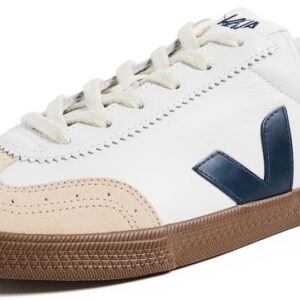
What struck me first about the Veja Volley sneakers was their quiet presence. Unlike many modern athletic shoes that announce themselves with bold colors and technical features, these maintained a understated elegance that felt appropriate in multiple settings. The white Bootsbark leather had a subtle texture that caught the light differently throughout the day, changing character from morning office light to afternoon sun to evening artificial lighting.
I began paying closer attention to how people moved through the city, noticing the relationship between their footwear and their comfort level. Those who seemed most at ease often wore shoes that appeared both practical and considered, neither overly casual nor excessively formal. There was a particular confidence in their movement that suggested their shoes were supporting rather than directing their day.
The sustainable aspects of the sneakers resonated with my growing awareness of consumption patterns. The use of organically processed leather and the combination of Amazonian rubber with silica and synthetic rubber in the logo represented a thoughtful approach to materials that I hadn’t previously considered in footwear. It made me observe how rarely we think about the origins and lifespan of the items we use daily, especially those that touch the ground with every step we take.
Wearing them through different scenarios revealed their adaptability. In the office, they maintained a professional appearance while offering the comfort needed for moving between meetings. During lunch breaks and evening walks, they provided the support and flexibility for more active movement. The standard fit in size 45 EU felt consistent and reliable, their light weight becoming particularly appreciated during longer days that stretched from early meetings to evening social engagements.
What surprised me most was how quickly they became my default choice, not because they were spectaular in any single situation, but because they were consistently appropriate across situations. This reliability became their most valuable quality – the knowledge that whatever the day brought, my footwear wouldn’t be a point of stress or consideration.
Reflection
I didn’t realize at the time that this would be so important, but the sneakers gradually changed how I thought about my daily preparations. The mental energy previously spent deciding which shoes to wear for which part of my day became available for other considerations. This small liberation from daily decision-making felt surprisingly significant, like recovering a few minutes of mental space each morning.
The timeless design prompted me to reflect on temporary trends versus lasting style. In a culture that often prioritizes novelty, there’s something quietly rebellious about choosing something classic. The sneakers’ ability to complement both business-casual and leisure wear without seeming out of place in either context made me question why we often feel the need to signal different versions of ourselves through our clothing choices.
Their construction from sustainably processed materials led me to consider the lifespan of everyday objects. The careful workmanship and balanced material combination suggested these were shoes meant to last, to develop character over time rather than be replaced when trends shift. This longevity stands in contrast to the disposable nature of much modern consumption, particularly around events like Cyber Monday that often encourage rapid replacement rather than thoughtful selection.
Thinking back to my original search about South Carolina basketball and Cyber Monday timing, I see how both represent different aspects of how we engage with time – one marking seasonal rhythms of sports and entertainment, the other representing commercial deadlines. The sneakers exist outside both these temporal frameworks, serving instead as a constant through various seasons and occasions.
The comfort they provided wasn’t just physical but psychological – the assurance of having made a choice that worked across contexts, that didn’t require constant reevaluation or adjustment. This consistency became a small but meaningful anchor in days that often felt fragmented between work responsibilities, personal interests, and the general busyness of urban life.
Conclusion
What began as a distracted moment between basketball schedules and shopping deadlines evolved into a more thoughtful consideration of how the items we choose either complicate or simplify our daily lives. The Veja Volley sneakers became less about footwear and more about finding pieces that support rather than interrupt the natural flow of our days.
The combination of sustainable materials, timeless design, and versatile functionality represents an approach to consumption that values integration over specialization. In a world that often encourages us to have different tools for different purposes, there’s value in finding things that work across purposes, that adapt to our lives rather than requiring our lives to adapt to them.
My initial curiosity about South Carolina basketball and Cyber Monday timing now feels connected to this larger theme of how we navigate time itself – through seasonal interests, commercial cycles, and the daily rhythm of work and leisure. The right choices, whether in footwear or other aspects of life, help these different temporalities flow together rather than compete for attention.
The sneakers’ ability to move seamlessly between professional and personal spaces mirrors a broader desire for integration in how we live. We seek connections between different parts of ourselves, between our values and our practical needs, between temporary enthusiasms and lasting comforts. The most satisfying choices often bridge these divides rather than emphasizing them.
Looking ahead, I find myself paying more attention to how items fit into the overall pattern of my life rather than how they perform in isolated moments. The search for integration continues, but now with a better understanding of what to look for – not spectacular performance in specific situations, but reliable presence across situations. This perspective feels more sustainable, both environmentally and personally, than constantly seeking the new or the specialized.